

Wizz Air announces exit from Abu Dhabi, ending Middle East expansion plan
Airline to redeploy resources to profitable Central and Eastern Europe
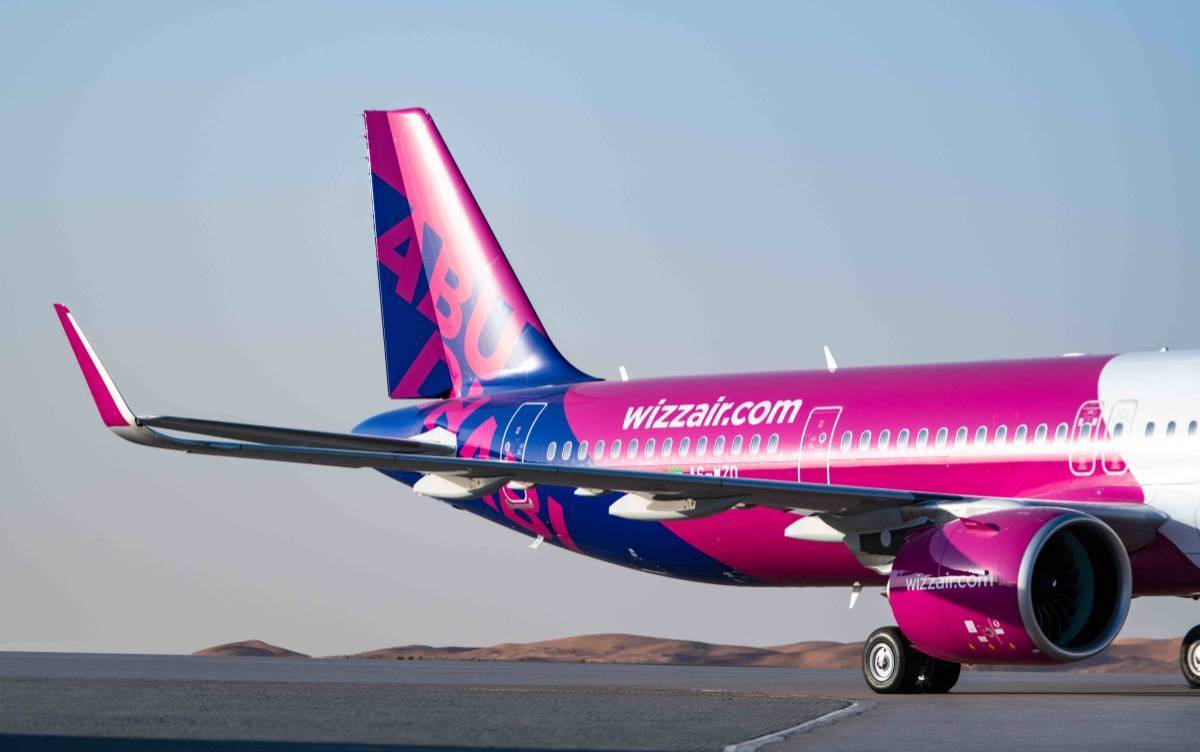
ABU DHABI: Wizz Air announced on Monday that it will exit its Abu Dhabi operations and suspend all locally based flights starting September 1.
The decision marks a strategic reversal for the airline, which had previously targeted the Middle East for long-term growth.
The company cited geopolitical instability, operational disruptions, and supply chain constraints as the primary reasons for the withdrawal. CEO József Váradi said recent airspace closures and engine degradation in the harsh climate had rendered the Abu Dhabi unit unsustainable.
Wizz Air’s Middle East ambitions were also curtailed by unfulfilled market access agreements, particularly to India and Pakistan, which limited growth prospects for the joint venture with Abu Dhabi Developmental Holding Company (ADQ).
Wizz Air Holdings PLC (“Wizz Air”) today announces a strategic realignment that reinforces the Company’s core strength and focus in Central and Eastern Europe and select Western European markets. This decision follows a comprehensive reassessment of market dynamics, operational… pic.twitter.com/KHYIvyIaWJ
— Wizz Air (@wizzair) July 14, 2025
Geopolitical impact
Tensions in the region, including last month’s 12-day conflict between Israel and Iran and an Iranian strike on a US military base in Qatar, disrupted regional air traffic. These developments further eroded Wizz’s hopes for a turnaround in its loss-making Abu Dhabi venture.
Zayed International Airport, Wizz’s base in the UAE, saw 28.8 million passengers last year – significantly fewer than Dubai International Airport’s 92.3 million.
Where will it focus now?
Váradi said Wizz Air will now concentrate on its core markets in Central and Eastern Europe, along with select Western European countries such as Italy, Austria, and the UK.
The airline has 280 aircraft on order from Airbus, most of which will now be allocated to Europe. Central and Eastern Europe already account for about two-thirds of its business.
Financial struggles
The airline’s stock has dropped 62% over the past two years due to engine issues involving Pratt & Whitney GTF engines, which have grounded part of its fleet. Last fiscal year, Wizz reported a 41.5% fall in net profit despite a slight revenue increase.